Text
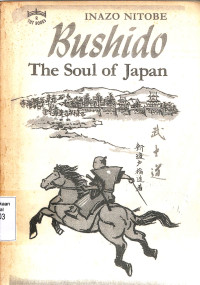
Bushido: The Soul of Japan
Bushido: The Soul of Japan, written by Inazo Nitobe, is a seminal exploration of the ethical and philosophical foundations of the samurai code, known as Bushido. First published in 1900, the book seeks to explain the moral principles that shaped Japanese culture and guided the behavior of the samurai class. Nitobe presents Bushido as the spiritual core of Japan, deeply rooted in Confucianism, Buddhism, and Shintoism, and comparable to the chivalric code of medieval Europe.
The work outlines the key virtues of Bushido—such as righteousness, courage, benevolence, politeness, sincerity, honor, loyalty, and self-control—and examines how these values influenced Japanese education, family life, and national character. Written in English for a Western audience, Nitobe’s book serves as a bridge between Eastern and Western thought, aiming to foster mutual understanding and respect.
Through philosophical reflection and cultural analysis, Nitobe portrays Bushido not merely as a historical code of warriors but as a living moral philosophy that continues to inspire discipline, integrity, and harmony in Japanese society. Bushido: The Soul of Japan remains a classic work in comparative ethics and cultural studies, illuminating the moral spirit that defines Japan’s identity.
Ketersediaan
Informasi Detail
- No. Panggil
-
952.03-Nit-b
- Penerbit
- TOKYO : Penguin Books., 2020
- Deskripsi Fisik
-
104 hal, 17,5 x 25 cm
- Bahasa
-
English
- ISBN/ISSN
-
978-0141994468
- Tipe Isi
-
Text
- Tipe Media
-
Book
- Subjek
-
-
- Daftar isi
Informasi Lainnya
- Daftar Isi
-
Versi lain/terkait
Tidak tersedia versi lain
 Karya Umum
  Filsafat
  Agama
Agama  Ilmu-ilmu Sosial
  Bahasa
  Ilmu-ilmu Murni
  Ilmu-ilmu Terapan
  Kesenian, Hiburan, dan Olahraga
  Kesusastraan
  Geografi dan Sejarah